

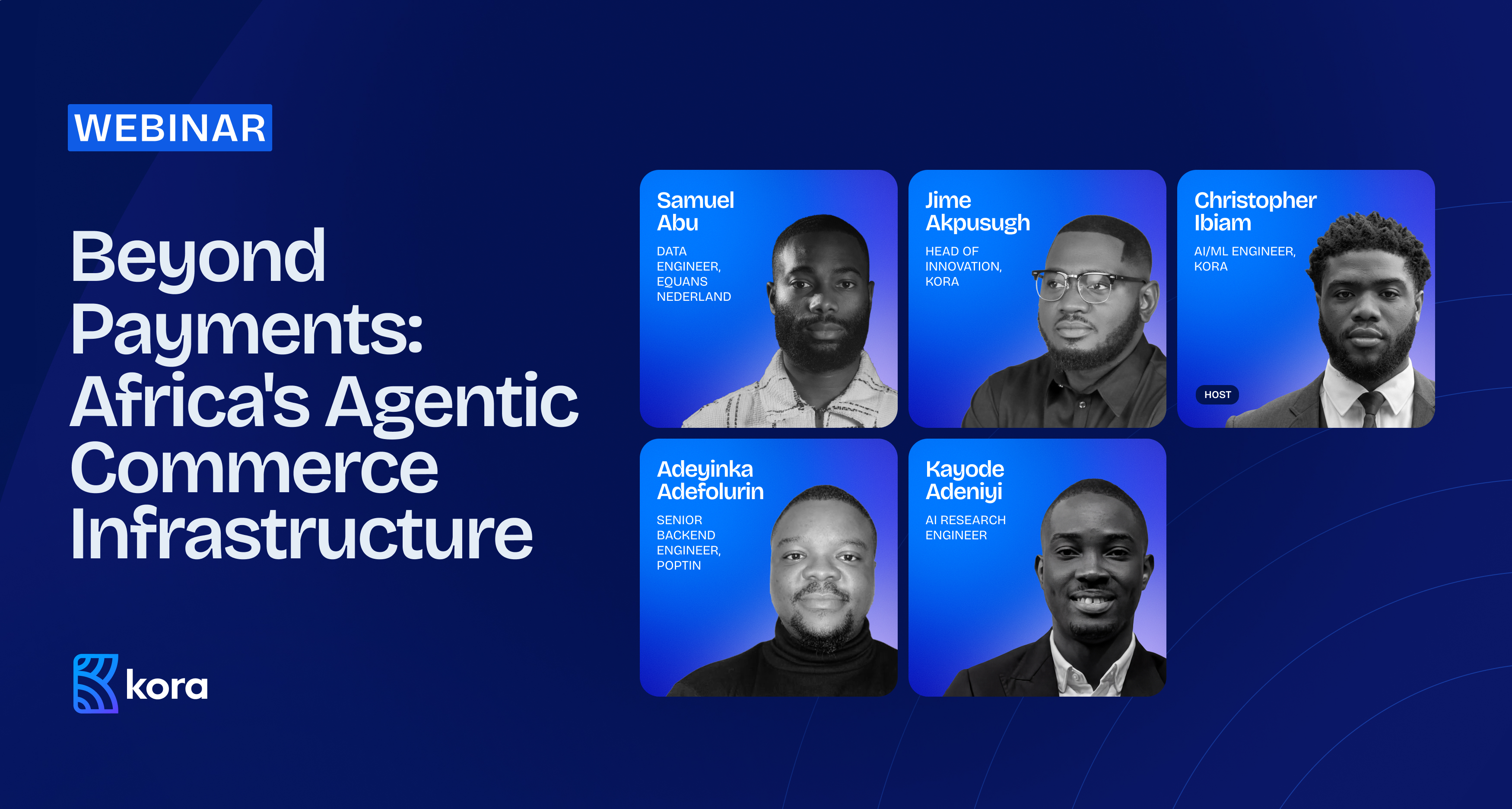
What will it take to build Africa's agentic commerce infrastructure? In this webinar, we brought together industry experts to explore the role of AI, payments, trust, and infrastructure in shaping the future of commerce across the continent. Catch the key insights from the conversation.

Kora, a pan-African payment infrastructure provider, today announced the launch of One Rail, expanding its payments infrastructure to support stablecoins. Through One Rail, merchants can seamlessly collect, hold, convert, and settle funds in digital currencies alongside traditional fiat payment rails.
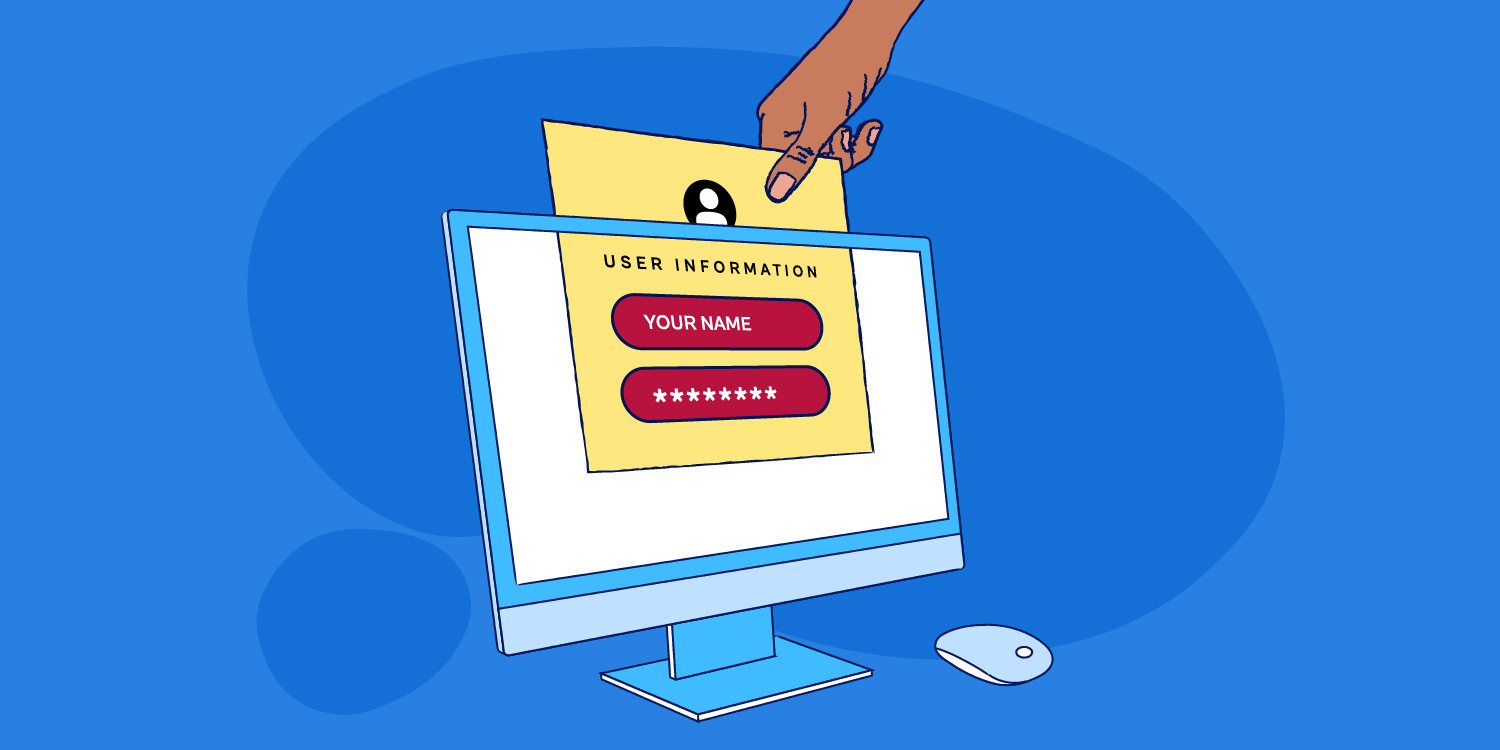
Account takeover is a growing form of online fraud. In 2025, the United States Federal Bureau of Investigation (FBI) received more than 5,100 complaints relating to financial account takeover, with reported losses exceeding US$262 million. Criminals want access to genuine accounts because those accounts already have the trust they need.
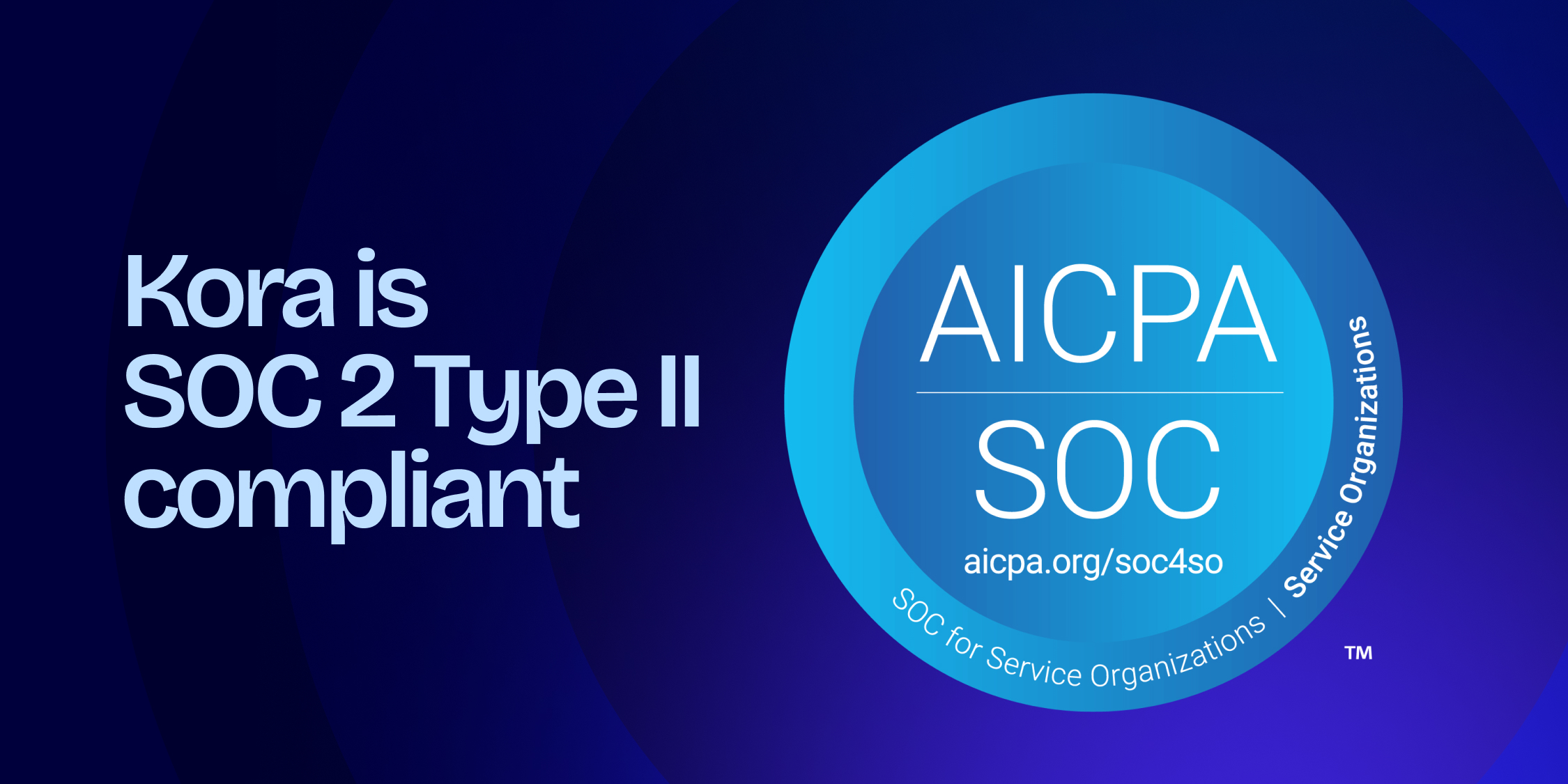
We are pleased to announce that Kora has achieved SOC 2 Type II compliance. This milestone serves as independent validation of the strength and maturity of our security control environment for clients, partners, and stakeholders.


Join our mailing list to get updates on our new and existing products. We also share early insights and news around the fintech space.
We will only use your email address for the purpose of this newsletter. Please review our Privacy Notice for more information

%201.svg)


%201.png)
%201%20(1).png)


%201.png)
%201.png)
